

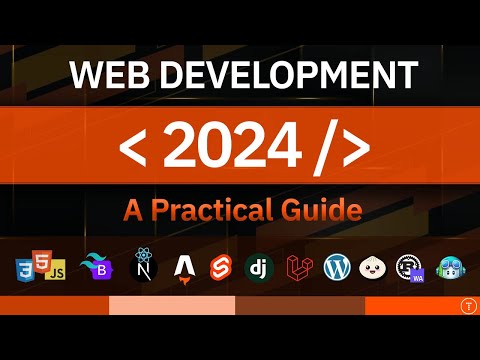
Mastering Web Development: A Comprehensive Guide by Meritking
In today’s digital-first economy, a robust online presence is no longer a luxury; it is a fundamental pillar of business success. Web development serves as the backbone of this presence, transforming creative concepts into functional, high-performing digital environments. Whether you are building an e-commerce platform, a service-based portal, or a complex corporate dashboard, understanding the development lifecycle is essential for achieving your organizational goals.
At Meritking, we recognize that navigating the vast array of available technologies can be daunting for business owners and stakeholders. This guide aims to demystify the web development process, offering actionable insights into how these digital services function, how they scale against your business needs, and what factors you should consider when planning your next project with a partner like https://shreyainfosoft.com.
Understanding the Core Components of Web Development
Web development is broadly categorized into two primary domains: front-end and back-end development. Front-end development focuses on the “client-side,” which encompasses everything the user interacts with directly on their browser, including navigation, visual layout, and interface interactivity. Technologies such as HTML, CSS, and JavaScript are the building blocks here, ensuring that your branding is consistent and the user experience is fluid across various devices.
Back-end development, conversely, manages the “server-side” operations. This is where the core logic, database management, and server configuration reside. It acts as the engine room of your application, processing user requests, handling authentication, and ensuring secure communication between the browser and the database. A successful project requires a seamless integration between these two sides to deliver a responsive and reliable user experience.
Key Features of Modern Web Applications
Building a contemporary web application requires more than just static pages. Modern development prioritizes features that enhance user engagement and operational efficiency. Integration with third-party APIs, for example, allows your business to connect your website with payment gateways, CRM systems, or social media platforms, creating a unified workflow that saves time and minimizes manual data entry errors.
Furthermore, performance and security are no longer optional “extras” but critical foundational requirements. Users in the United States expect fast load times, and search engines prioritize sites that deliver quick, meaningful interactions. Implementing strong security protocols—such as SSL encryption, database protection, and regular security audits—is essential to protect sensitive user information and maintain the reliability of your digital infrastructure.
Typical Use Cases for Professional Web Development
Businesses across various industries utilize custom web development to solve unique operational challenges. E-commerce retail is perhaps the most prominent use case, where businesses need complex inventory management, user profiles, and secure payment processing under a single roof. Custom development ensures that the user journey is tailored to the specific nature of the products and the brand ethos.
Beyond e-commerce, software-as-a-service (SaaS) platforms and internal business automation tools are common implementations. These applications often require advanced features such as real-time dashboards, user role management, and scalability to handle growing traffic. Other use cases include personalized lead generation portals, content-driven membership sites, and complex directory services that simplify data for end users.
Comparison of Web Development Approaches
When planning your project, it is helpful to compare the different paths available based on your budget, timeline, and growth projections. The following table highlights the common differences between custom development and pre-built solutions.
| Factor | Custom Web Development | Pre-built Solutions |
|---|---|---|
| Flexibility | High: Can be built for any specific feature | Limited: Restricted to existing modules |
| Scalability | High: Designed for massive growth | Moderate: Often hits ceiling at scale |
| Maintenance | Requires ongoing support | Managed by third-party vendor |
| Security | Controlled and audited | Dependent on third-party security patches |
Scalability and Reliability in Development
Scalability is the ability of your web application to handle increased traffic and data volume without performance degradation. For a business experiencing rapid growth, choosing an architecture that supports horizontal or vertical scaling from day one is critical. This involves choosing the right server environment, optimizing database queries, and utilizing cloud services that can dynamically allocate resources based on real-time demand.
Reliability goes hand-in-hand with scalability. It ensures that your platform remains available and stable regardless of load. Implementing automated backup systems, load balancers, and continuous integration/continuous deployment (CI/CD) pipelines ensures that updates are delivered smoothly and downtime is minimized. A reliable system is one that your customers can trust, which directly correlates to customer retention and brand loyalty.
Optimizing the Development Workflow
The workflow behind a successful project involves meticulous planning, testing, and deployment. It starts with requirement gathering, where business needs are transformed into technical specifications. This is often followed by wireframing and design phases to ensure the visual direction aligns with user behavior expectations. Developers then move into the coding phase, where the actual site or application comes to life based on these plans.
Communication is the lifeblood of this workflow. Frequent updates, demo sessions, and feedback loops are vital to prevent drift between expectation and outcome. By adopting an agile methodology, your team can pivot quickly, testing features as they are built and ensuring that the final output is not just a digital asset, but an active component driving your core business objectives forward.
Pricing Considerations and Value Assessment
Pricing in web development is rarely a fixed number because it depends on the complexity of features, the tech stack involved, and the required timeline. When budgeting, it is important to factor in both the initial development costs and the recurring expenses associated with hosting, security updates, and ongoing support. Low initial costs may sometimes lead to higher technical debt later, so value assessment should be focused on long-term sustainability.
Consider these points during the budgeting phase:
- Infrastructure and cloud hosting costs scaled for projected traffic.
- Licensing for third-party integrations or premium plugins.
- Maintenance contracts for routine security patches and software updates.
- Future-proofing for adding new features as your market needs evolve.
Support and Maintenance Post-Launch
A website or application is a dynamic entity that requires constant attention. Post-launch support involves more than just fixing crashes; it involves optimizing database performance, refining the user interface based on analytics data, and ensuring that your site remains compliant with changing web standards and security regulations. Having a support partner who understands your codebase and business goals can significantly extend the lifespan of your investment.
Reliable support teams also provide proactive monitoring, spotting potential bottlenecks before they impact your users. This preventative approach to maintenance ensures that your business operations continue uninterrupted, allowing you to focus on strategy and growth while your digital infrastructure remains in steady, capable hands. Investing in quality support partner relationships is ultimately an investment in your company’s long-term stability.