

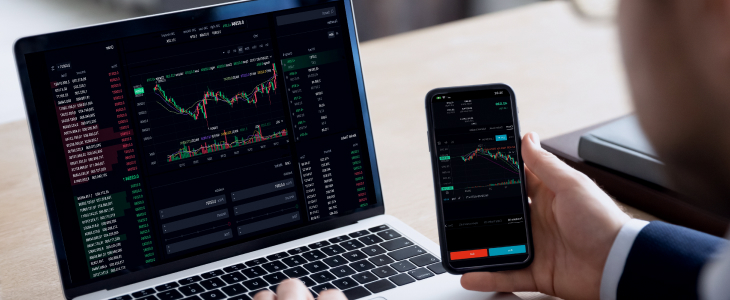
Comprehensive Guide to Forex Trading Systems for Successful Trading
Forex trading has gained immense popularity in the financial markets, with millions of traders worldwide striving for financial independence. At the core of successful forex trading lies the necessity of a robust trading system. A trading system provides the framework to define entry and exit points, manage risks, and ensure discipline in trading decisions. In this article, we will explore various forex trading systems, their underlying principles, and how they can be adapted to individual trading styles. For expert assistance, consider visiting forex trading systems fxtrading-broker.com, where you can find valuable resources to improve your trading experience.
Understanding Forex Trading Systems
A forex trading system is essentially a set of rules and guidelines traders follow to determine when to buy or sell currency pairs. These systems can be based on technical analysis, fundamental analysis, or a combination of both. While some traders develop their systems from scratch, many utilize established methodologies that have been refined over time.
Types of Forex Trading Systems

Forex trading systems can be categorized into several types based on their operational methodologies. The most common types include:
- Technical Trading Systems: These systems utilize charts and technical indicators to analyze price movements and identify trading opportunities. Common indicators include moving averages, Relative Strength Index (RSI), and Fibonacci retracements.
- Fundamental Trading Systems: These systems consider economic news and data releases to make trading decisions. Traders following fundamental analysis look at factors like interest rates, GDP data, and geopolitical events that may influence currency values.
- Price Action Trading Systems: Price action traders focus solely on price movements and patterns without relying heavily on indicators. They often analyze candlestick formations and chart patterns to predict future price changes.
- Automated Trading Systems: Also known as algorithmic trading, this involves the use of software to automate trading decisions based on predefined criteria. Automated systems can react faster to market conditions and remove emotional biases from trading.
The Importance of a Trading Strategy
Regardless of the type of system you choose, having a well-defined trading strategy is critical. A trading strategy outlines your trading goals, risk tolerance, entry and exit points, and money management rules. Without a strategy, traders are more likely to make impulsive decisions based on emotions rather than sound analysis.
Key Components of a Successful Trading Strategy
A solid trading strategy should include the following components:
- Market Analysis: Conduct thorough research on currency pairs, economic conditions, and market sentiment.
- Risk Management: Define your risk tolerance and set stop-loss and take-profit levels to protect your capital.
- Entry and Exit Points: Identify the criteria that will trigger your buy and sell orders. This could be based on specific technical indicators or economic news releases.
- Performance Evaluation: Regularly review and analyze your trades to understand what works and what doesn’t. Modify your strategy as necessary to improve performance.
Backtesting and Forward Testing Your Trading System
Before committing real funds, it’s wise to backtest your trading system. Backtesting involves applying your trading strategy to historical price data to see how it would have performed in the past. This can give you insights into potential profitability and help refine your approach.
Once you are satisfied with the backtesting results, you can move to forward testing, where you implement your strategy in a demo account. This allows you to gauge how your system performs in real-time market conditions without risking your capital.
Adapting Your Trading System
The forex market is dynamic and ever-changing, necessitating that traders remain adaptable. Markets can react unpredictably to economic news, geopolitical developments, and changes in trader sentiment. Therefore, the ability to adjust your trading system to reflect current market conditions is crucial for long-term success.
Common Mistakes in Forex Trading Systems
Many traders fall victim to common pitfalls that undermine their trading systems. Here are a few mistakes to avoid:
- Lack of Discipline: Sticking to your trading plan is critical. Many traders deviate from their strategy due to fear or greed, leading to inconsistent results.
- Overtrading: Trading too frequently can lead to increased transaction costs and emotional burnout. Ensure you have a clear rationale for each trade.
- Ignoring Market Conditions: A system that works in one market environment may fail in another. Always stay informed about market changes and alter your strategy as needed.
- Neglecting Risk Management: Never risk more than you can afford to lose. Proper risk management is essential to surviving in the forex market.
Conclusion
Forex trading systems are vital frameworks that guide traders in making informed decisions and managing their risks effectively. By understanding the different types of trading systems, the importance of a robust trading strategy, and common pitfalls, traders can significantly improve their chances of success. Continuous learning, adapting to market conditions, and maintaining discipline are key factors in achieving long-term profits in forex trading. For those looking to enhance their knowledge and skills, resources available at fxtrading-broker.com can provide valuable insights.