

It can also lead to dangerous complications such as choking and breathing difficulties. If someone shows these symptoms while drinking, it may indicate alcohol poisoning and means they need prompt medical intervention. The risks of binge drinking are particularly high in individuals who engage alcohol overdose in frequent episodes, as repeated alcohol toxicity leads to long-term health consequences such as liver damage and brain impairment. Teenagers and young adults who drink may be at particular risk for alcohol overdose.
Her work explores post-traumatic growth and the connection between physical and mental health. In addition to writing for Recovery.com she has written meditations for NatureSpace and is a licensed massage therapist. If you survive an overdose without these complications, your long-term outlook will be very good. If you drink more than this and your body isn’t able to Alcoholics Anonymous break it down fast enough, it accumulates in your body. They include deaths where the primary (or underlying) cause of death listed on the death certificate was one of 58 alcohol-related causes. People who don’t have any major complications from alcohol poisoning typically have a good prognosis.

Medical Professionals
It is dangerous to assume a person experiencing alcohol overdose will be fine if they “sleep it off.” This page provides information on how to identify if someone is experiencing alcohol overdose and how to respond. The most severe consequence is death, which can result from complications like respiratory failure, cardiac arrest, or organ failure. Immediate medical attention is essential to prevent these potentially fatal outcomes. Most importantly, seek emergency medical assistance immediately, as alcohol overdose can rapidly escalate to life-threatening levels without proper care. If someone is experiencing alcohol poisoning, they should receive immediate medical care in order to stay alive. Rapid drinking can bring BAC so high that mental and physical functions are negatively affected.
Binge Drinking and Alcohol Toxicity
Medications for alcohol poisoning are fomepizole, methanol, ethylene glycol, and benzodiazepine. They are primarily supportive and aim to manage symptoms while preventing complications. Without food, alcohol passes quickly from the stomach to the small intestine, where absorption is more efficient, resulting in higher blood alcohol concentration (BAC) levels. According to the pharmacokinetics of ethanol, the presence of food in the stomach delays gastric emptying, thereby slowing the absorption of ethanol into the blood and resulting in lower circulating concentrations. Ethanol acts as the active ingredient in beer, wine, and spirits and is responsible for alcohol’s intoxicating effects.
Treatment Options/Resources for an Alcohol Overdose
Nevertheless, the liver can metabolize only a specific quantity of alcohol simultaneously. Exceeding the liver’s capacity to metabolize alcohol elevates the individual’s Blood Alcohol Concentration (BAC), resulting in an accumulation of acetaldehyde. High BAC levels impair the body’s functional capacity, resulting in signs and symptoms of alcohol poisoning. The symptoms include vomiting, seizures, irregular breathing, loss of consciousness, etc. In the absence of rapid medical intervention, alcohol poisoning can result in irreversible brain damage or loss of life.
Consuming these products can also indicate signs of Alcohol Use Disorder (AUD). Many people suffering from this disorder may drink rubbing alcohol and other household products to get drunk. These drugs suppress vital areas of the brain that are also adversely affected by alcohol. Drinking on an empty stomach and taking sleeping pills, antidepressants, or pain relievers can make it easier for alcohol to enter your bloodstream and strengthen its effects.
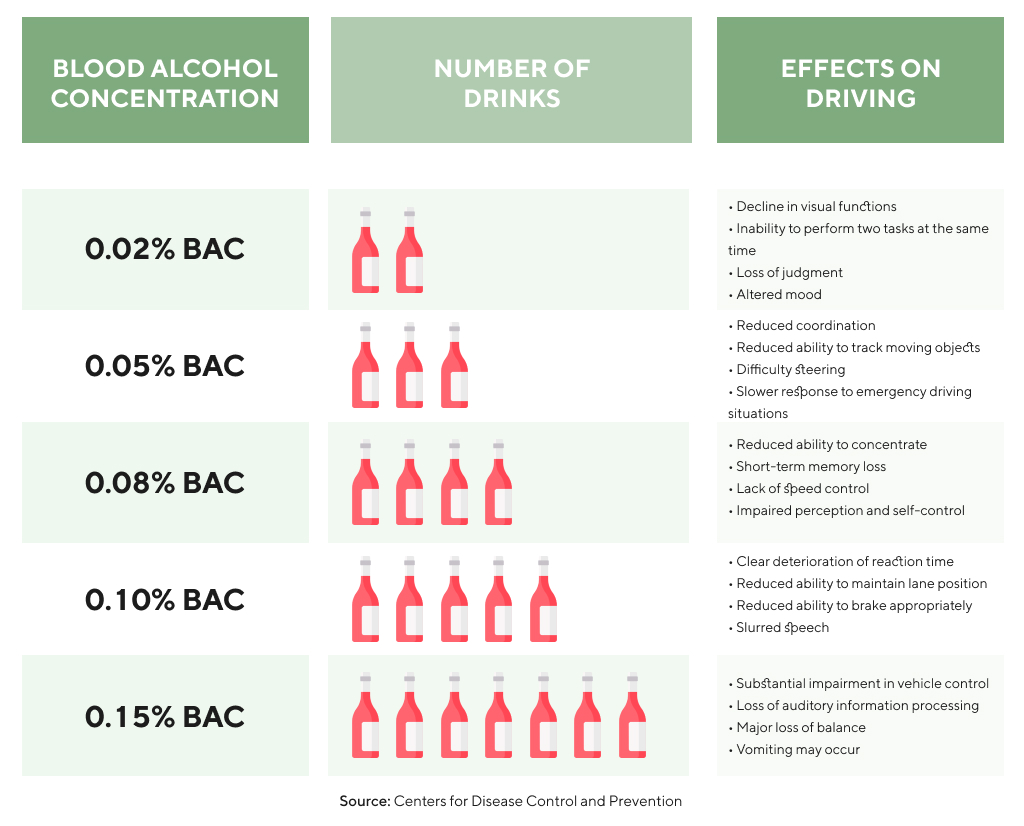
Alcohol poisoning can impair necessary reflexes in your body, particularly the gag reflex—which helps prevent choking on food, liquids, and saliva. An improperly functioning gag reflex significantly increases the risk of choking. When somebody consumes an alcoholic drink, their liver has to filter out the alcohol, a toxin, from their blood.
What Are Medications for Alcohol Poisoning?
Check out our free and confidential alcohol screening tooland learn more about ways to reduce the risks of alcohol use. If three to five minutes has passed and the person hasn’t begun breathing and first responders have not arrived, then administer a second dose of Narcan. Sedatives include benzodiazepines like Xanax, Ativan, and Klonopin, and barbiturates like phenobarbital. Lying down, especially on their back, increases a person’s risk of choking on their vomit.
How Alcohol Poisoning Is Treated
- Alcohol poisoning or alcohol overdose refers to a medical emergency that results in the death of six individuals daily in the United States.
- Upon seeing someone potentially suffering from alcohol overdose, it is imperative to promptly contact emergency services and ensure the person remains awake and in an upright position.
- You may also consider treatment that addresses co-occurring mental health disorders, which may be influencing substance use.
- Someone who is “just drunk” will be slurring their words, stumbling around, and acting drowsy.
- Confusion is a prominent symptom of alcohol overdose, manifesting as disorientation, impaired judgment, and difficulty concentrating.
Specifically, high blood alcohol concentration (BAC) levels impair areas of the brain responsible for controlling life-support functions such as breathing, heart rate, and body temperature regulation. When these critical systems are compromised, it leads to respiratory failure, hypothermia, coma, and even death. The National Institute on Alcohol Abuse and Alcoholism (NIAAA) emphasizes that alcohol overdose requires immediate medical attention, as the body’s vital functions shut down rapidly in response to toxic alcohol levels.
If the depressant effects begin affecting key functions of your body, like your breathing and consciousness, it’s considered alcohol poisoning. Every person is different, so there’s no way to know how much you can drink before you’re at risk of alcohol poisoning. Other names for alcohol poisoning include alcohol overdose and ethanol toxicity. Alcohol poisoning happens when there’s so much alcohol in your bloodstream that it starts shutting down life-supporting areas of your brain. Binge drinkers, particularly young adults and adolescents, are at high risk due to their tendency to consume excessive alcohol quickly. The risk of alcohol poisoning also increases among younger people if the situation is unsupervised.
However, alcohol poisoning typically occurs at significantly higher BAC levels. Although it varies from person to person, a BAC above 0.30% can lead to severe complications, including unconsciousness and death. Using alcohol with opioid pain relievers, such as oxycodone and morphine, or illicit opioids, such as heroin, is also a very dangerous combination. Binge drinking, or consuming a large amount of alcohol in a short period (typically 5 or more drinks for men, 4 or more for women within 2 hours), significantly increases the risk of alcohol poisoning. Alcohol poisoning happens when your blood alcohol concentration (BAC) becomes too high, causing parts of your brain to stop being able to perform critical functions, like controlling your breathing or heart rate. This is because they are central nervous system (CNS) depressants, which slow down brain activity.