

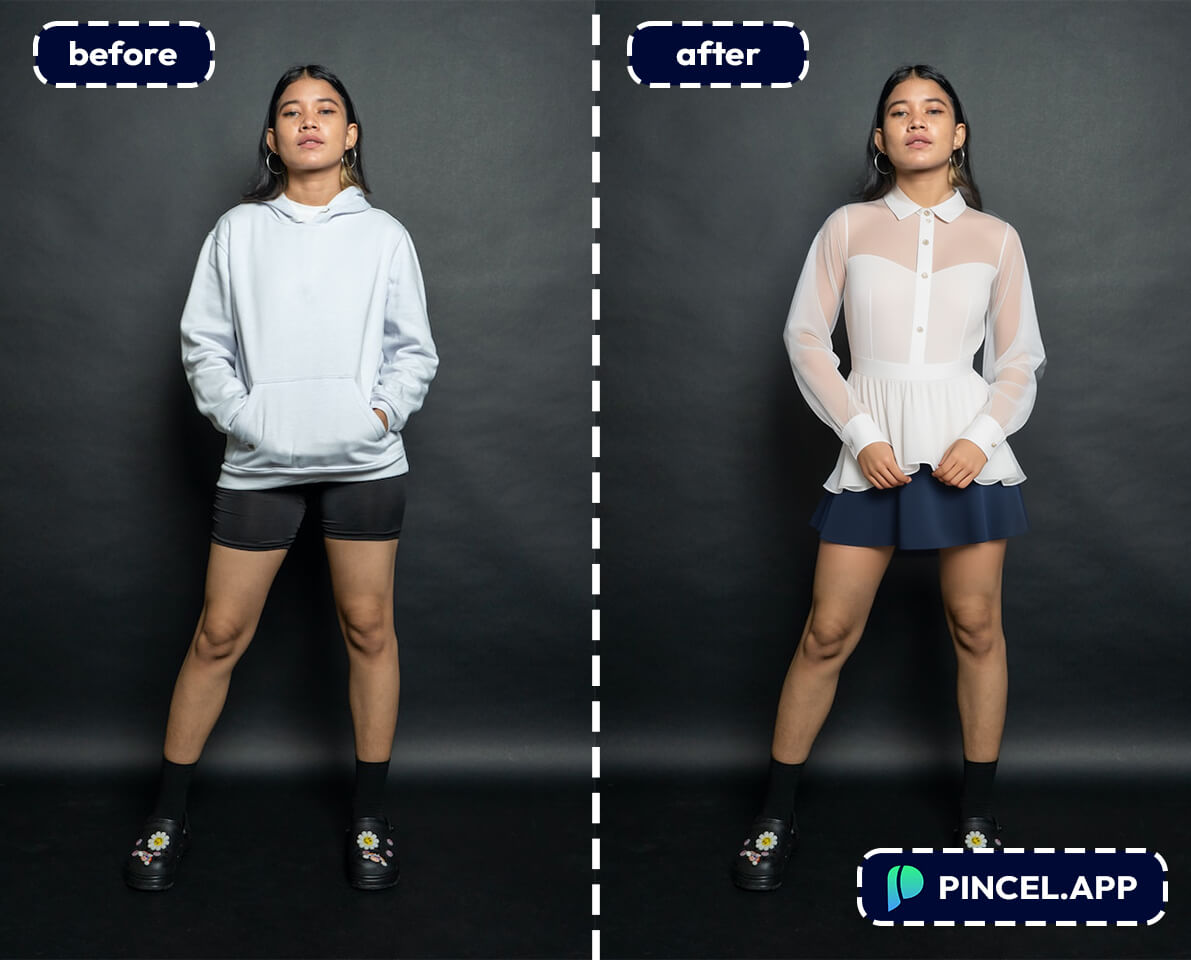
In the rapidly evolving world of technology, artificial intelligence continues to push boundaries in various industries, and fashion is no exception. One of the most fascinating developments in this field is clothesoff ai, an AI-driven tool that promises to revolutionize how we envision and interact with clothing and fashion. From retail applications to personal styling, ClothesOff AI stands at the intersection of technology and creativity, poised to transform the entire landscape of fashion. In this article, we will explore the technology behind ClothesOff AI, its practical applications, potential implications, and the ethical considerations that arise with such an innovation.
First and foremost, understanding the technology behind ClothesOff AI is essential. At its core, the application utilizes advanced machine learning algorithms and computer vision techniques. These algorithms are trained on vast datasets comprised of images of clothing, human bodies, and relevant fashion contexts. By analyzing these datasets, ClothesOff AI can learn to recognize various clothing styles, fabric types, and even how clothes interact with different body shapes and sizes.
One of the critical components of this technology is its ability to generate realistic representations of what a person would look like without clothes. This feature could be particularly useful in various fashion applications, such as virtual fitting rooms or digital clothing try-ons. For example, when shopping online, consumers often struggle with sizing and fit. With ClothesOff AI, they could visualize how particular garments would look on their bodies, helping them make more informed purchases and reducing return rates for retailers.
Another potential application of ClothesOff AI is in the realm of personalized styling. By analyzing an individual’s body shape, skin tone, and personal style preference, the AI can curate tailored outfit suggestions. This personalized approach could transform how we shop for clothes, allowing consumers to find pieces that truly suit them without wading through endless options. Imagine a world where your wardrobe is continuously updated based on your preferences, latest fashion trends, and seasonal changes, all powered by AI.
Furthermore, ClothesOff AI could have significant implications for the fashion industry as a whole. For designers, AI tools can streamline the creative process. By providing insights into current trends and consumer preferences, designers can create pieces that resonate more with their target audiences. Additionally, AI can help identify gaps in the market, allowing brands to innovate and differentiate themselves in a crowded space.
On the manufacturing side, AI technologies, including ClothesOff AI, can optimize supply chains and inventory management. By predicting demand for certain styles and sizes, brands can reduce waste and operate more sustainably. This is particularly important in an industry often criticized for its environmental impact and fast fashion practices. By embracing AI, the fashion industry can move toward more sustainable practices, ultimately benefiting the planet.

Despite the many benefits offered by ClothesOff AI, we must also navigate the ethical considerations that arise with such technology. One significant concern revolves around privacy. The ability to manipulate images of individuals raises critical questions about consent and personal rights. It is vital that applications like ClothesOff AI implement strict guidelines and ethical protocols to ensure that they respect users’ privacy and self-identity when using their images.
Moreover, the potential for misuse of this technology is a valid concern. If not properly regulated, ClothesOff AI could be exploited for inappropriate or harmful purposes, such as creating altered images that can harm people’s reputations or self-esteem. Thus, it is crucial that developers and users alike consider the ethical implications of integrating AI into fashion and ensure that it promotes positivity and body positivity.
In conclusion, ClothesOff AI represents an exciting frontier in the intersection of fashion and technology. Its ability to generate realistic depictions and enhance consumer experiences points to a transformative future for the industry. From personalized styling to efficient manufacturing practices, the potential applications are vast and varied. However, as we rush towards embracing this technology, we must proceed with caution, keeping ethical considerations at the forefront. With responsible innovation and conscious application, ClothesOff AI can pave the way for a more inclusive, efficient, and sustainable fashion industry.
As the world becomes increasingly integrated with technology, the potential for AI in fashion is only beginning to be realized. With tools like ClothesOff AI leading the charge, we can imagine a future where fashion is not only accessible and personalized but also respectful and responsible. As we navigate

this exciting evolution in the fashion world, it’s essential to engage in ongoing dialogue about the implications of these advancements and strive to ensure that they serve humanity positively.