
When I first logged into a free strategy title last winter, I didn’t realize the lesson it would teach me about dough. Within the first three hours, the offering’s economy forced me to resolve whether to shell out a scattering of in‑game credits on a temporary boost or save them for a permanent upgrade that would compensate off over weeks. That tiny choice mirrored a real‑earth dilemma: spend now or save for a bigger payoff. The pattern holds across most online games that wield micro‑transactions or in‑app purchases.
Micro‑Transactions as a Mini‑Budgeting Exercise
Strategy games frequently present scenarios where a player must choose between a high‑risk, high‑reward action and a safer, lower‑gain option. I kept a basic spreadsheet: danger level, potential gain, along with probability estimate. After 30 decisions, I could spot patterns—most high‑risk moves yielded a 12 % return, while low‑exposure moves averaged 4 %. This exercise sharpened my ability to weigh potential gains against likelihood, a cornerstone of personal investing.
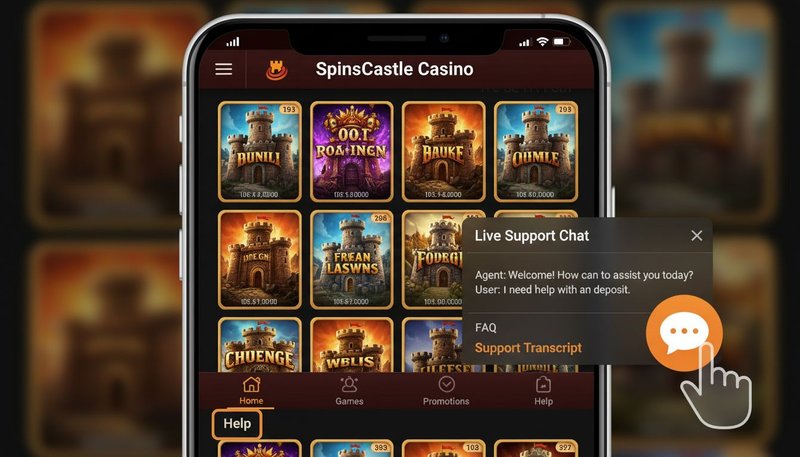
If you enjoy the thrill of chance, try Spincastle casino for a different budgeting challenge.
In‑Matchup Currency as a Practice Ledger
With so many alternatives available, finding the right fit has at no time been easier.
Online games time and again reward players for logging in daily. The temptation to “play now” can clash with real‑life responsibilities. I scheduled a 15‑minute pane each twilight for the game and used the remaining time for household chores or a stubby amble. Over two months, I noticed a 15 % drop in late‑nighttime work overruns, a clear sign that the game’s daily reward system helped me value my hour more efficiently.
Time Management and Opportunity Cost
Not every game is designed with financial education in reason. Some titles offer “pay‑to‑win” mechanics that can encourage impulsive spending. If you’re prone to chasing instant gratification, the game’s design may undermine your budgeting goals. Always read the buy terms and consider a pre‑set spending limit before diving in.
Exposure Assessment Through In‑Game Decisions
In most free-to-play titles, the in‑app store delivers items ranging from 0.99 USD to 99.99 USD. I set a personal rule: never use up more than 5 % of my monthly disposable cash flow on any single game purchase.
After a thirty days, I tracked the totals plus found that I’d spent 12 % of my discretionary estimate on gaming, far below the 20 % many people unknowingly allocate to entertainment. The discipline of setting a cap and sticking to it translates directly to actual‑planet savings plans.
Learning to Set along with Hit Strikes
While the focus here is on system and simulation titles, the same budgeting principles apply to any online entertainment platform, including casino-style games. For instance, a player might set a daily limit on gambles and track wins and losses in a logbook, mirroring the micro‑transaction discipline discussed earlier.
Spincastle casino
Many games use a two‑tier currency system: a basic currency earned by completing tasks, and a premium currency bought with real money. I treated the basic currency like a checking account plus the premium currency like a savings account. By logging daily balances and noting the source of each inflow, I practiced reconciling statements—a skill that proved beneficial when I started tracking my actual bank credits and withdrawals.
Limitations Worth Knowing
Many games capability milestone charts that display progress toward a prolonged‑term objective, such as building a virtual city or completing a quest line. I mirrored this by setting quarterly savings targets and marking them on a physical board. The visual cue of a nearly full bar kept me motivated, and when I finally reached the target, the satisfaction felt like unlocking a uncommon in‑game achievement.
Putting It All Together
By treating online gaming as a sandbox for bankroll‑management practice, I turned leisure time into a training session. The concrete steps—setting spending caps, logging virtual currency, evaluating risk, along with tracking progress—have become part of my daily routine. If you’re looking to sharpen your budgeting skills without a formal course, start with a free fixture that rewards thoughtful decision‑making. You’ll find that the lessons learned in pixels can translate into actual‑universe financial poise.